
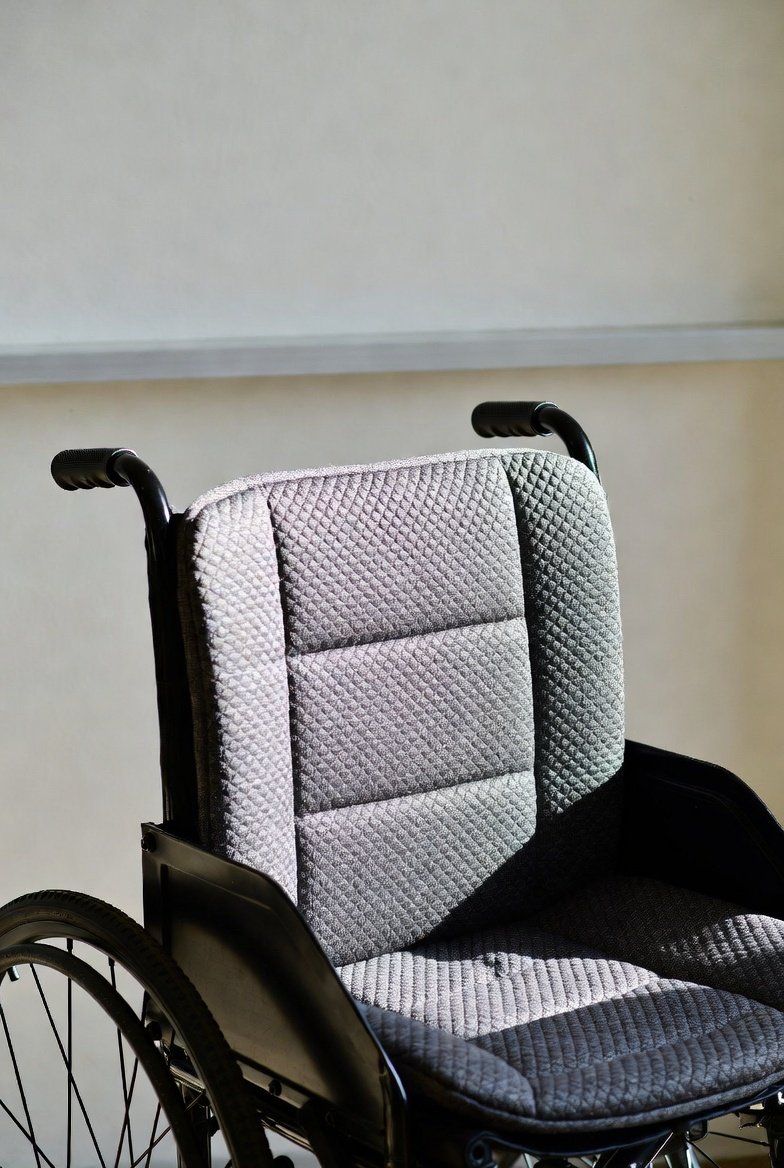
Wheelchair Back Cushion: How Back Support Improves Posture, Fatigue, and Long-Term Sitting
A wheelchair back cushion is often mistaken for a comfort accessory. In reality, it is a structural support component that directly influences posture, fatigue levels, breathing mechanics, and how sustainable sitting feels across an entire day.
For long-term wheelchair users, back support works quietly in the background. When it is correct, posture feels natural and energy lasts longer. When it is not, the body compensates — muscles overwork, alignment collapses, and discomfort builds gradually.
This guide explains what a wheelchair back cushion actually does, who benefits most, where its limits are, and how back support fits into the larger seating system. No rankings, no buying pressure — just clear function, expectations, and real-world fit.
What a Wheelchair Back Cushion Is Designed to Do
A back cushion provides controlled support — not softness.
Its primary roles include:
- Supporting the natural spinal curve
- Reducing upper-body muscle workload
- Improving upright sitting endurance
- Enhancing seated stability
- Supporting breathing mechanics
Key Insight:
A well-fitted back cushion reduces the effort required to remain upright. Sitting becomes less of a physical task.
Why Back Support Matters More Than Most People Expect
Without adequate back support, the body adapts — often inefficiently.
Over time this may lead to:
- Slouching or forward-head posture
- Shoulder and neck strain
- Faster fatigue during sitting
- Reduced breathing efficiency
- Discomfort that worsens late in the day
Because these changes develop slowly, many users assume they are unavoidable.
They are not always.
Seat Cushions vs Back Cushions — Different Jobs
These components are frequently confused but serve separate biomechanical roles.
Seat cushions manage:
- Pressure redistribution
- Pelvic positioning
- Lower-body stability
Back cushions manage:
- Spinal alignment
- Upper-body support
- Postural endurance
A seat cushion may reduce pressure injury risk.
A back cushion improves posture.
Most long-term seating systems require both working together.
Quick Reality Check
Back support improves posture — but posture is also influenced by:
- Seat depth
- Cushion height
- Foot positioning
- Wheelchair configuration
The body behaves as a system, not isolated parts.
Common Types of Wheelchair Back Cushions
Flat Back Cushions
- Minimal contouring
- Basic padding
- Limited postural guidance
Often standard — but functionally modest.
Contoured Back Cushions
- Shaped to follow spinal curves
- Promote upright alignment
- Reduce muscular strain
For many users, this becomes the stability baseline.
Adjustable Back Systems
- Tension-adjustable or angle-adjustable
- Adaptable as posture changes
- Require proper setup
Operator Insight:
Adjustability improves outcomes only when configured correctly.
What Back Cushions Can Help With
A properly fitted wheelchair back cushion can improve:
- Postural endurance — staying upright longer
- Fatigue control — less shoulder and trunk strain
- Seated stability — reduced side-to-side sway
- Breathing comfort — improved chest expansion
These benefits often become noticeable during 4–8+ hours of daily sitting.
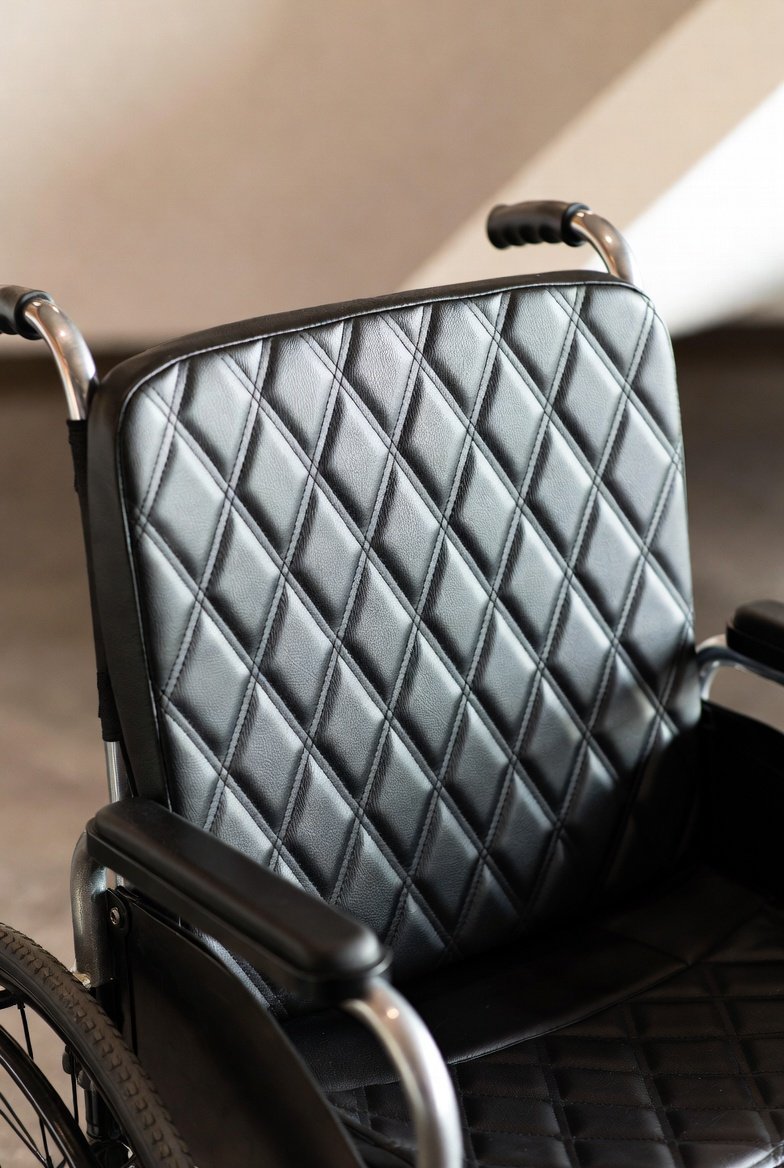
What a Back Cushion Cannot Fix
Even excellent support has limits.
A wheelchair back cushion cannot:
- Correct severe spinal deformities
- Replace repositioning
- Eliminate fatigue entirely
- Compensate for incorrect seat dimensions
Support assists posture — it does not replace active care.
Back Cushion Height & Coverage — Why It Matters
Support height changes how the body distributes effort.
Back Height | Primary Effect | Typical Outcome |
Low-back | Encourages trunk activity | Greater mobility |
Mid-back | Balances freedom + support | Often versatile |
High-back | Reduces muscular demand | May limit movement |
Higher is not automatically better — function matters more than coverage.
Firmness vs Comfort — The Structural Trade-Off
Back cushions vary widely in firmness.
Softer backs:
- Comfortable initially
- Provide less positional control
Firmer backs:
- Improve alignment
- May feel restrictive at first
Key Principle:
Too soft → posture collapses.
Too firm → tolerance drops.
Balance protects endurance.
Back Support and Fatigue Over Time
Fatigue often results from constant muscular engagement rather than pressure alone.
Without proper support:
- Core muscles remain active continuously
- Sitting feels harder as hours pass
- Posture deteriorates late in the day
A supportive back cushion reduces ongoing muscular demand — conserving energy for daily activities.
Posture’s Quiet Influence on Breathing and Digestion
Alignment affects more than comfort.
An upright seated posture can help:
- Improve breathing mechanics
- Reduce chest compression
- Support digestion during extended sitting
These shifts are subtle — yet meaningful for long-term users.
Transfers & Movement Considerations
Back support should never interfere with safe transfers.
Consider:
- Thick rigid backs may obstruct movement
- Softer backs compress during transfers
- Adjustable backs can sometimes be repositioned
Safety principle: Support must cooperate with movement — not block it.
Real-World Fit Check (Often Overlooked)
Before relying on back support, evaluate:
- Daily sitting duration
- Transfer frequency
- Caregiver involvement
- Upper-body strength
- Ability to reposition
Mismatch here reduces benefit regardless of cushion quality.
Signs a Back Cushion Is Not Working Well
Watch for:
- Persistent slouching
- Neck or shoulder discomfort
- Fatigue increasing throughout the day
- Feeling pushed forward
- Restricted movement
These usually signal a support mismatch — not personal failure.
Maintenance & Inspection
Back cushions require less upkeep than seat cushions but still benefit from periodic review.
Recommended rhythm:
- Inspect covers for wear
- Check mounting hardware
- Reassess positioning after posture changes
General guideline: Evaluate every 3–6 months, or sooner if comfort shifts.
Can a Back Cushion Prevent Fatigue Completely?
No.
A back cushion can delay fatigue and reduce strain, but:
- Movement remains essential
- Repositioning still matters
- Sitting tolerance has natural limits
Support improves sustainability — it is not a cure.
Expert Seating Perspective
Seating specialists often evaluate three elements together:
Pelvic position → spinal alignment → support surface
When these align, posture requires less effort and sitting becomes more sustainable.
Repeated discomfort often signals a system adjustment — not simply the need for more padding.
Practical Next Steps
If posture collapses easily → evaluate support shape.
If fatigue rises quickly → review back height and firmness.
If pressure risk is present → ensure seat cushioning is addressed as well.
For full seating selection guidance:
best wheelchair cushion
If pressure injury risk is a concern:
👉 wheelchair cushion for pressure sores
For posture-specific guidance:
👉 wheelchair seating posture guide
For Gel vs Foam wheelchair guide:
FAQs
What does a wheelchair back cushion do?
It supports spinal posture, reduces muscular strain, and improves sitting endurance.
Is a back cushion necessary for all wheelchair users?
No. It becomes increasingly valuable with longer sitting durations or postural challenges.
Can a back cushion prevent fatigue completely?
No. It reduces effort but does not replace movement or repositioning.
How often should back cushions be inspected?
Typically every 3–6 months, or whenever posture or comfort changes.
Do back cushions affect transfers?
Yes. Thickness and firmness can either help or hinder transfers depending on configuration.
Are adjustable back systems better than fixed cushions?
They can be beneficial when properly configured, especially if posture evolves over time.