
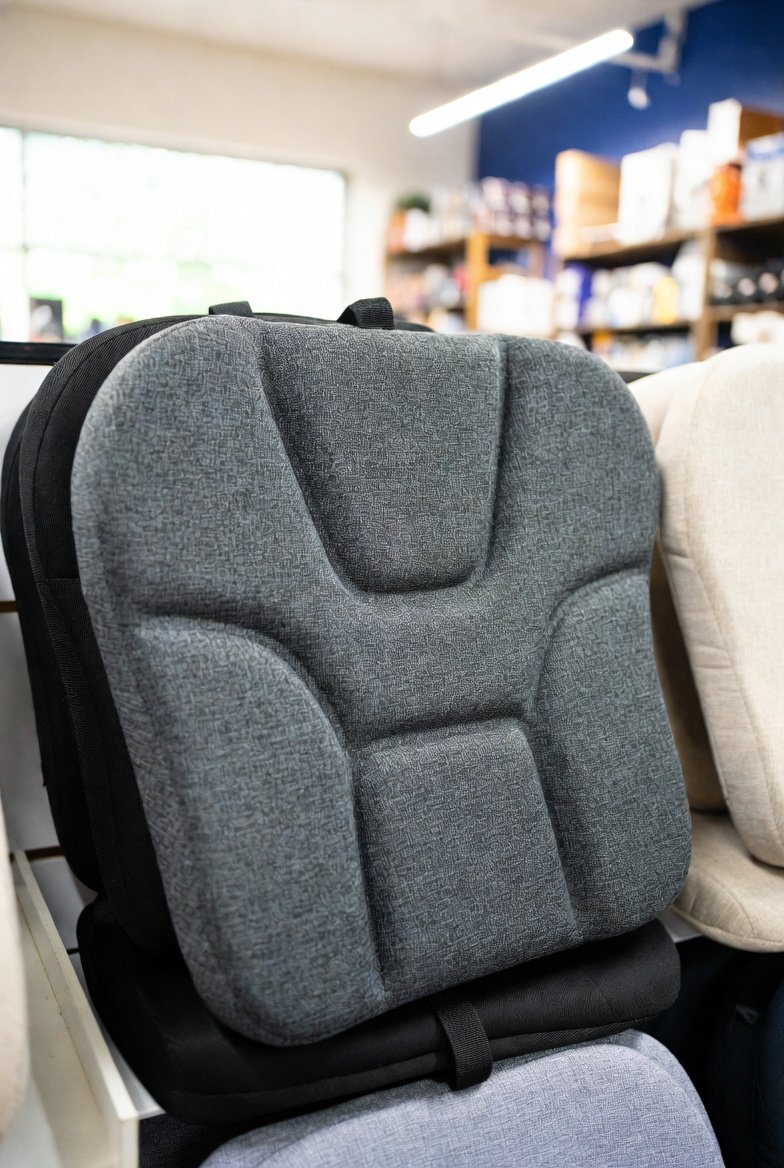
Wheelchair Cushion for Pressure Sores: Prevention, Limits, and What Actually Helps
Pressure sores rarely begin with a dramatic warning. More often, they develop quietly — when constant pressure, limited movement, moisture, and friction combine over hours or days of sitting.
A wheelchair cushion is one of the most important protective tools available. But it is not a standalone solution. The safest outcomes happen when the cushion becomes part of a complete pressure-prevention system that includes positioning, movement, skin checks, and realistic daily routines.
Important: If you notice open skin, spreading redness, unusual warmth, drainage, or sudden pain, seek medical guidance promptly. Pressure injuries can escalate faster than many caregivers expect.
What Pressure Sores Are (Plain-Language Overview)
Pressure sores — also called pressure injuries — form when soft tissue is compressed between bone and a seating surface long enough to restrict blood flow.
Without adequate circulation, tissue begins breaking down beneath the skin before visible damage appears.
Highest-risk areas for wheelchair users include:
- Tailbone (coccyx)
- Sitting bones
- Hips
- Sacral region
- Upper thighs — especially with poor posture
Key Insight: A surface can feel soft yet still create damaging pressure underneath.
Why Pressure Redistribution Matters
The primary job of a medical-grade wheelchair cushion is pressure redistribution — spreading body weight across a broader area so no single point absorbs excessive load.
When pressure is properly redistributed:
- Blood flow improves
- Tissue tolerance increases
- Sitting endurance rises
- Injury risk declines
But redistribution only works when pressure is relieved consistently.
Reality Principle
Cushions reduce pressure.
Movement protects tissue.
When pressure injuries occur despite “good equipment,” the cause is often insufficient repositioning rather than cushion failure.
Think of a cushion as protective gear — not immunity.
Clinical Prevention Benchmarks
Most seating and wound-prevention guidance focuses on relieving pressure before tissue damage begins.
Commonly referenced prevention rhythms include:
- Weight shifts: roughly every 15–30 minutes
- Assisted repositioning: about every 1–2 hours if independent movement is limited
- Higher-risk threshold: prolonged sitting without relief beyond several hours
Consistency matters more than perfection. A routine that actually happens protects far better than an ideal plan that doesn’t.
Pressure Risk → Cushion Direction (Fast Decision Table)
Risk Level | Typical Sitting Pattern | Primary Goal | Recommended Cushion Direction |
Lower Risk | Short sitting, frequent movement | Comfort | Foam or entry hybrid |
Moderate Risk | Several hours daily | Pressure reduction | Gel or hybrid |
Higher Risk | Long, uninterrupted sitting | Tissue protection | Air-cell or advanced medical-grade hybrid |
⚠️ Directional guidance only — not a prescription.
Cushion Types and Their Role in Pressure Management
Cushion Type | Pressure Relief | Stability | Maintenance | Best Fit |
Foam | Low–Moderate | High | Low | Short sitting, lower risk |
Gel | Moderate | Moderate | Moderate | Comfort-focused users |
Air (air-cell) | High (when properly adjusted) | Lower | Higher | Elevated risk, long sitting |
Hybrid | Moderate–High | Moderate–High | Moderate | Stability + relief balance |
Operator Insight:
The best cushion is the one that matches risk level + daily behavior.
A high-end cushion fails if it is mis-sized, worn, or neglected.
Micro Case Snapshots (Real-World Patterns)
Case Pattern — Long Daily Sitting
A retired teacher who spent most of the day seated transitioned from foam to an air-cell cushion after noticing persistent tailbone soreness. Combined with scheduled weight shifts, sitting tolerance improved within weeks.
Case Pattern — Transfer Stability First
An older adult experienced instability during transfers on a fully air cushion. Moving to a hybrid design improved confidence while maintaining pressure protection.
Case Pattern — Early Redness Warning
A caregiver noticed redness that lingered after sitting. Instead of waiting, they upgraded the cushion and implemented hourly repositioning — and the redness resolved before escalation.
👉 Equipment + routine beats equipment alone.
Expert Seating Perspective
Rehabilitation professionals often emphasize a simple hierarchy:
Position → Movement → Surface
- Proper posture
- Consistent pressure relief
- Appropriate cushion
Pressure mapping — a clinical method used in seating assessments — frequently shows how small posture adjustments dramatically redistribute force. This is why professional seating evaluations are often recommended when pressure issues repeat.
Maintenance Intervals That Quietly Protect Skin
Cushions rarely fail suddenly — they degrade gradually.
Use this protection rhythm:
- Check air cushions regularly to prevent bottoming out
- Inspect gel layers for shifting
- Replace foam once compression becomes visible
- Keep covers clean and dry
Treat worn cushions like expired safety equipment.
Because they are.
Who Is at Higher Risk (Needs More Than a Cushion)
Risk rises sharply when pressure cannot be relieved reliably.
Higher-risk indicators include:
- Reduced sensation
- Limited repositioning ability
- Extended daily sitting
- Moisture exposure
- Circulation concerns
- Low natural padding over bony areas
- Prior pressure injuries
For these users, prevention must be proactive — not reactive.
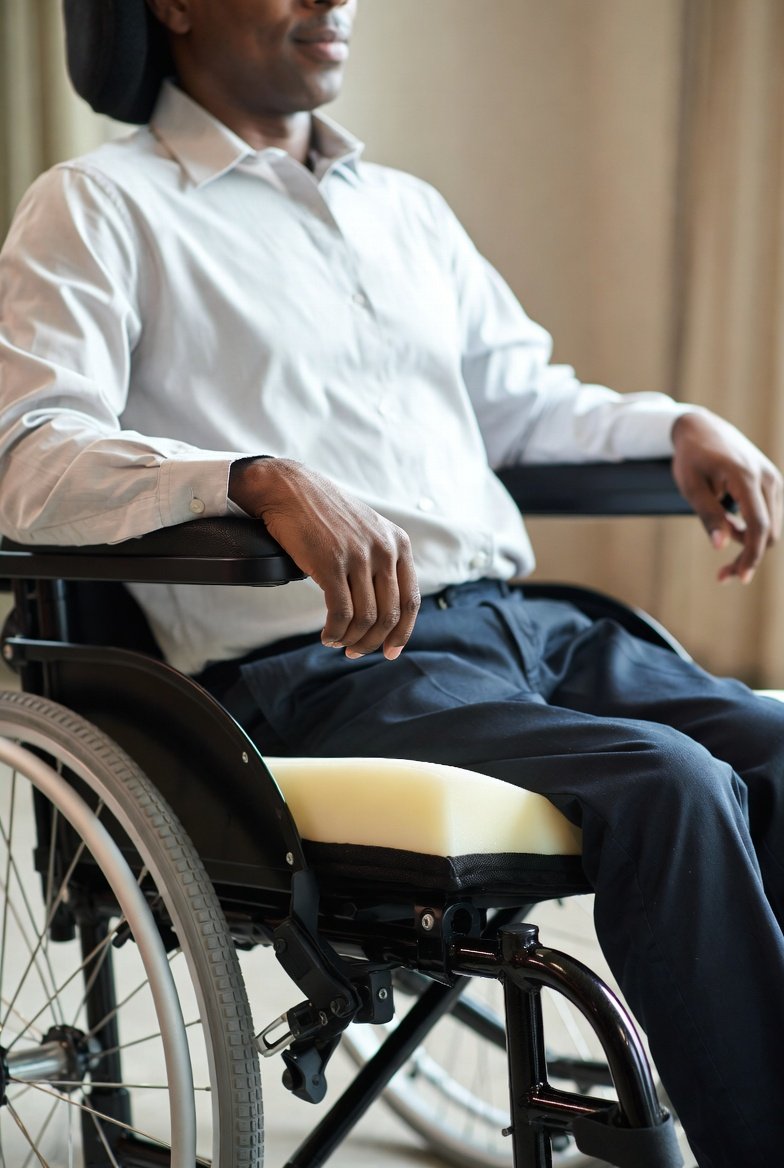
Daily Habits That Protect Skin More Than Cushion Technology
1. Schedule Weight Shifts
Tie pressure relief to existing habits — phone reminders, TV breaks, or mealtime transitions.
Predictability beats memory.
2. Support Repositioning
If independent movement is difficult:
- Build caregiver routines
- Use tilt/recline features when available
- Avoid marathon sitting sessions
Endurance is not a prevention strategy.
3. Perform Fast Skin Checks
Look for:
- Redness
- Heat
- Firmness
- Swelling
If redness persists after pressure removal, treat it as an early warning.
4. Control Moisture
Dry skin tolerates pressure better.
Focus on breathable materials and prompt hygiene when needed.
5. Protect Posture
Sliding forward or sitting asymmetrically concentrates pressure.
Repeated issues often point to positioning — not cushioning — as the root cause.
Red Flags a Cushion Isn’t Enough
🚩 Act quickly if you notice:
- Redness lasting longer than ~30 minutes
- Skin warmth or swelling
- Increasing numbness
- Pain that worsens with sitting
- Blisters or open areas
- Wheelchair back cushion
This is where prevention becomes treatment territory.
Mini Prevention Checklist (Use Weekly)
✔ Cushion matches seat width and depth
✔ Weight-shift routine exists
✔ Sitting time is realistic
✔ Transfers minimize friction
✔ Skin checks are consistent
✔ Moisture risks are controlled
✔ Cushion shows no visible wear
Miss several boxes — and risk rises regardless of cushion quality.
Practical Next Steps for Choosing Safely
If risk appears low → prioritize comfort and fit.
If risk appears moderate → focus on redistribution + stability.
If risk appears higher → consider medical-grade support and professional guidance.
👉 Next step for selection guidance:
best wheelchair cushion
If posture may be concentrating pressure:
👉 wheelchair seating posture guide
FAQs
Can a wheelchair cushion prevent pressure sores completely?
No. Cushions reduce risk but must be combined with repositioning, skin checks, posture support, and moisture control.
Which cushion type helps most with pressure sores?
Air-cell and advanced medical-grade cushions typically provide the strongest pressure redistribution when properly fitted and maintained.
How often should someone reposition to avoid sores?
Weight shifts roughly every 15–30 minutes and assisted repositioning about every 1–2 hours are commonly recommended.
Do pressure sores mean the cushion is wrong?
Not always. They often signal issues with movement, seating fit, moisture, or posture rather than cushion choice alone.
How do I clean and maintain a wheelchair cushion?
Wash removable covers regularly, inspect materials for compression or damage, and follow manufacturer care guidance.
Can wheelchair cushions be used on any chair?
No. Cushions must match the seat’s width and depth to provide proper pressure distribution and stability.
Is a medical-grade cushion necessary for everyone?
Typically only for higher-risk users or those sitting for extended periods.