
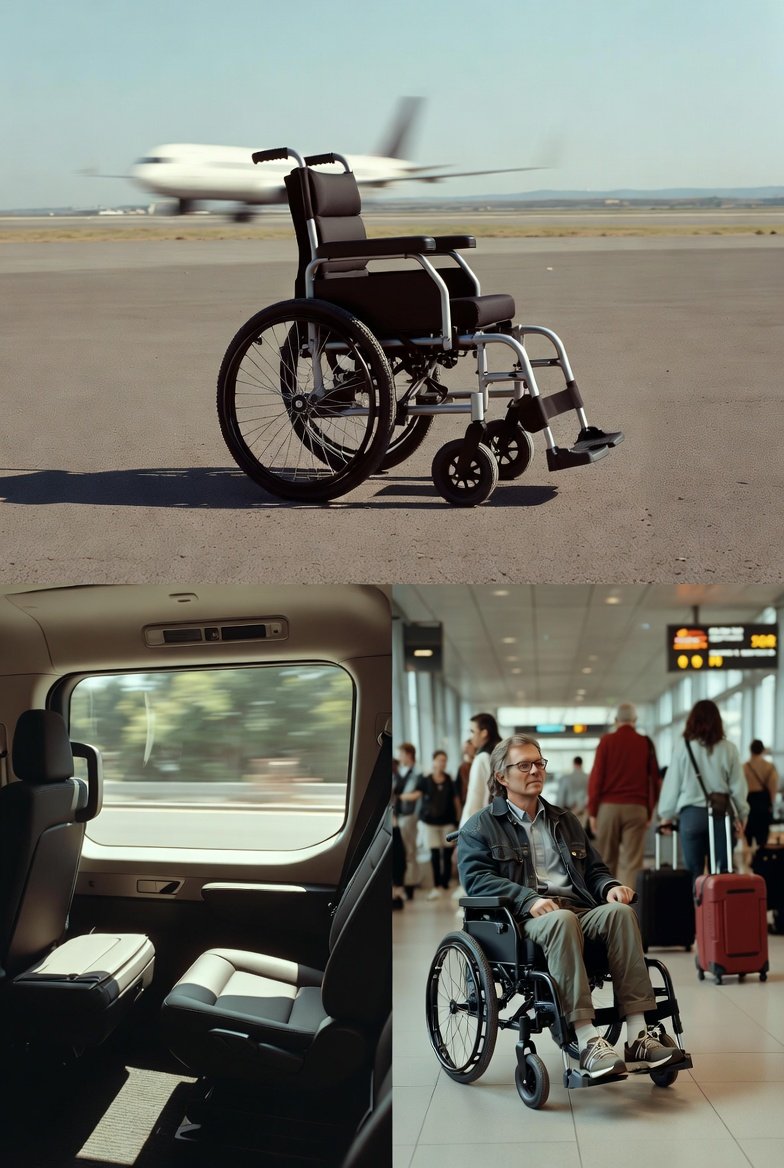
Best Wheelchair for Travel: Flying, Cars, Airports & What Actually Works
Travel doesn’t just “test” a wheelchair.
It punishes it.
A chair that feels perfect at home can become annoying—or unusable—the moment you add airport security lines, baggage handlers, rental cars, tight hotel bathrooms, uneven sidewalks, and the constant folding/unfolding cycle.
And here’s the thing most people realize mid-trip:
Travel isn’t about comfort first.
It’s about transitions.
Car → curb → airport → security → gate → plane → terminal → taxi → hotel → bathroom.
If your wheelchair makes transitions hard, the entire trip becomes harder than it should be.
This guide is built for real travel: flying, road trips, airports, hotels, and short-term mobility. It tells you exactly what works, what breaks, what gets damaged, what doesn’t fit, and how to buy once (instead of regretting it in the first airport terminal).
Quick Travel Snapshot
Best overall for travel: Lightweight transport chair
Best for frequent car trips: Folding lightweight wheelchair + quick-release wheels
Best for frequent flyers: Compact transport chair with the fastest fold + lowest carry weight
Most regret for travel: Heavy power chairs and bulky reclining chairs
If portability matters more than independence during travel, transport chairs usually win.
The Travel Rule Most Buyers Ignore
At home, comfort dominates.
On the road?
Logistics dominate.
The best wheelchair for travel is the chair that creates the least friction in these repeat moments:
- lifting into trunks and taxis
- squeezing through bathroom doors
- rolling across carpet and ramps
- gate-checking and reclaiming
- fitting in hotel rooms
- braking on slopes
A senior mobility advisor would say it like this:
“Travel chairs are about low friction, not high features.”
That’s the lens you need.
The #1 Predictor of Travel Satisfaction
Not brand.
Not seat padding.
Not fancy adjustments.
It’s this:
Carry Weight × Fold Speed
If both are low, travel feels smooth.
If either is high, the trip turns into a constant struggle.
What Makes a Wheelchair Truly Travel-Friendly
1) Low Carry Weight
If you lift the chair multiple times per day, even a few pounds matter. Fatigue compounds fast—especially for caregivers.
2) Tight, Predictable Fold
A “loose fold” wastes trunk space and becomes stressful in taxis and rideshares. You want a fold you can do fast, one-handed if needed.
3) Simple Frame and Fewer Removable Parts
Airports eat detachable parts. The more pieces you have, the more things can get lost or bent.
4) Reliable Brakes
Airports and parking lots include slopes. Transfers happen on ramps. Brakes aren’t a feature—they’re a safety system.
5) Turning Ease in Tight Spaces
Hotel hallways, elevators, and bathrooms punish wide turning radiuses more than they punish speed.
Best Types of Wheelchairs for Travel
1) Lightweight Transport Chair — Best Overall for Travel
For most travelers, a lightweight transport chair is the lowest-stress option.
Why it works
- light enough for frequent trunk loading
- compact fold for rental cars, taxis, hotel rooms
- simple frames handle airline movement better than complex chairs
- fast transitions through security and boarding
The trade-offs
- not self-propelled (caregiver push required)
- less ideal for long sitting hours without breaks
- fewer posture/positioning adjustments
Best for
- airports and terminals
- sightseeing and short outings
- vacations where a companion is always present
- cruises and guided tours
- “bring it just in case” trips where you want minimal hassle
If your trip has lots of transitions, transport chairs dominate.
2) Folding Lightweight Manual Wheelchairs — Best for Mixed Independence
If the traveler needs some independence during the trip, a folding lightweight wheelchair can be a smart middle ground.
Why it works
- some self-propulsion ability
- still folds for vehicles
- usually more supportive than transport chairs
- better for longer daily rolling
Where it gets tricky
- heavier than transport chairs
- slower trunk loading
- harder in tight spaces (depending on frame width and wheel setup)
If the user will self-propel for meaningful parts of the day, this is often the better call.
If the user is mostly pushed, transport chairs usually win on pure friction reduction.
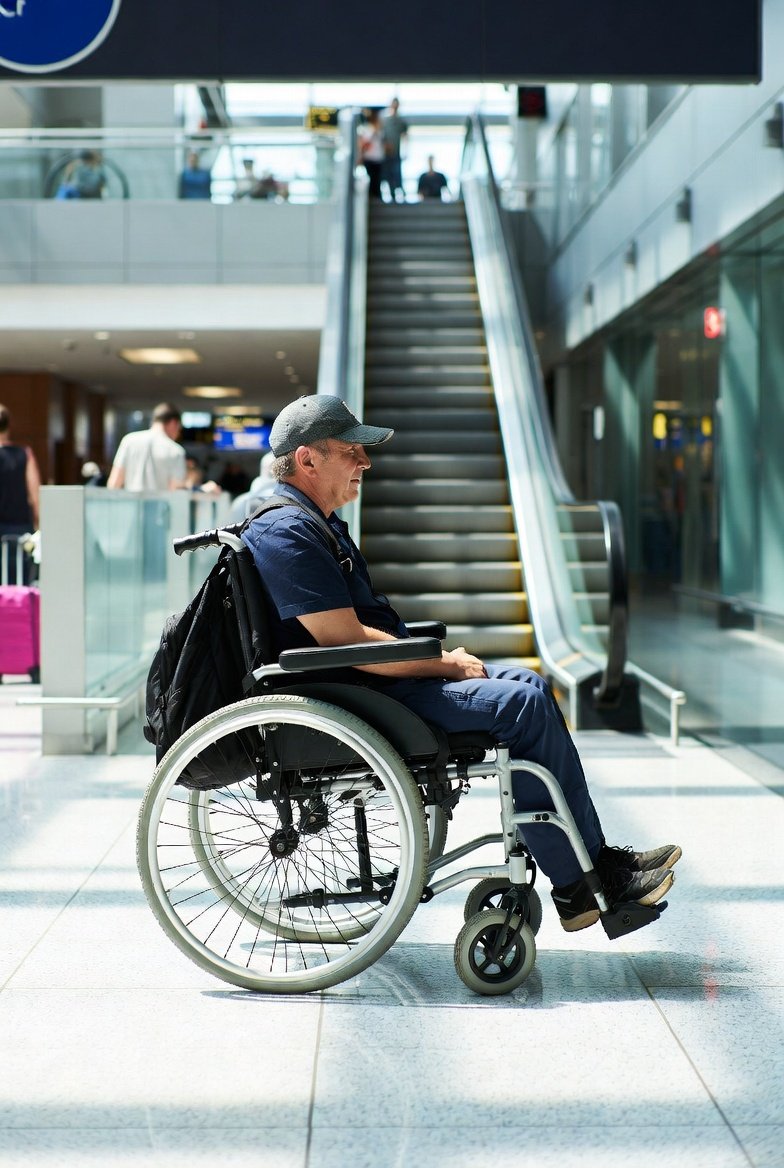
3) Power Wheelchairs — Usually Poor for Multi-Stop Travel
Power chairs can be great at a destination—but are often a headache during transit.
Common travel problems
- heavy and bulky
- complicated vehicle loading
- airline battery rules and paperwork
- greater risk of damage during handling
- harder transfers between car/plane/hotel
When power chairs DO work
- destination-based travel with prearranged accessible transport
- trips where the chair doesn’t need constant trunk loading
- staying mostly in one place
When they usually DON’T
- multi-city trips
- frequent flights
- road trips with small vehicles
- travel where you’re switching cars/taxis often
Power chairs turn simple travel into planned travel.
If you’re not planning around it, don’t bring one.
Air Travel: What Actually Matters (Not the Stuff People Guess)
Airports create stress because your chair is handled by multiple people, often quickly. Most chairs are gate-checked, meaning they get moved, stored, and brought back again.
Priority list for flights
- simplest possible frame
- fewest detachable parts
- compact fold
- low carry weight
- durable, predictable brakes
The “damage prevention” routine
Do these three steps before every flight:
- Take a quick photo of the chair from both sides
- Remove and carry loose cushions or accessories if possible
- Tag detachable parts (footrests, cushions) with a name/phone number
This is what experienced travelers do. Not because they’re paranoid—because it reduces problems.
Airport Survival Checklist (The Stuff That Saves Your Day)
Before you leave home
- confirm your chair fits your transportation plan (trunk/taxi)
- pack a small “wheelchair kit”: zip ties, tape, marker, spare key/tools if applicable
- bring a printed note with your name/phone and “Return to gate on arrival”
At the airport
- request assistance early if needed (don’t wait until the line starts)
- keep important medical items and a backup seat cushion in carry-on if possible
- avoid overloading the chair with hanging bags (it affects stability)
On arrival
- inspect quickly for obvious damage
- check brakes and wheel alignment before leaving the terminal
- don’t force bent components—ask for help immediately
Car Travel & Road Trips: The Real “Trip Killer”
Flights get attention, but car loading fatigue destroys more trips.
Before buying a travel chair, test this at home:
The 5-Lift Test
Lift the chair into your trunk five times in a row.
If you’re already annoyed or strained, you will hate it on day three of a trip.
If loading is hard at home, it will be worse on the road.
Hotels, Bathrooms, Elevators: Where Chairs Fail Quietly
Travel spaces are less forgiving than homes.
What to watch
- narrow bathroom doors
- tight turning spots near toilets and sinks
- hotel furniture blocking pathways
- small elevators
- limited storage space in rooms
Travel truth: Turning clearance and fold storage often matter more than “top speed” or advanced features.
What You Should Pay For (Travel Edition)
Travel buying should be brutally practical.
Worth paying for
✅ lower carry weight
✅ faster fold (less fumbling)
✅ reliable brakes and stable handling
✅ durable frame for repeated handling
Usually NOT worth paying for
❌ premium seating for short outings
❌ complex adjustment systems
❌ heavy-duty frames designed for daily indoor use
❌ “features” that add bulk or failure points
For travel, lighter and simpler beats premium.
Typical Travel Wheelchair Cost
Transport chairs
$120 – $450 (often the best travel value)
Folding lightweight manual wheelchairs
$350 – $1,200 (better for independence, higher friction)
Price anchor rule:
Pay more only if it buys you less effort and safer transitions.
Who Should NOT Buy a Travel-Focused Wheelchair
Travel chairs are tools. They are not universal daily replacements.
Avoid travel-focused chairs if:
- the user needs full-day seating support
- the user travels alone and must self-propel
- long outdoor distances are a main part of the trip
- posture/positioning is medically critical
In those cases, a better daily chair may be the safer choice—even if it’s harder to transport.
The Biggest Travel Buying Mistake
Buying a chair “just in case” that’s too heavy to use consistently.
When the chair is annoying to load, people stop using it.
Then the trip becomes harder again.
A travel wheelchair should feel like a relief—not a burden.
Decision Matrix (Fast Choice)
Best overall: Lightweight transport chair
Best for independence: Folding lightweight manual wheelchair
Best for frequent flying: Compact transport chair with the quickest fold
Worst for most trips: Heavy power or reclining wheelchairs
Final Take
The best wheelchair for travel is the one that makes transitions feel invisible.
Best overall: Lightweight transport chair
Best hybrid: Folding lightweight manual wheelchair
Worst for most travel: Heavy power or reclining chairs
If you’re choosing for an older traveler and want the full home + travel + daily use decision map, use the master guide here:
Choose the chair that reduces friction.
That’s how trips stay enjoyable.
FAQs
What is the best wheelchair for travel?
For most people, a lightweight transport chair is the easiest and most reliable option for travel because it’s light, compact, and fast to fold.
Can you take a wheelchair on a plane?
Yes. Most airlines allow wheelchairs to be gate-checked, though powered devices may involve battery rules and extra steps.
Is a transport chair better than a wheelchair for travel?
Often yes. Transport chairs are lighter, fold smaller, and are easier to manage in airports and cars—especially with frequent transfers.
Are electric wheelchairs good for travel?
They can be for destination-based trips planned around accessible transport. They are usually inconvenient for frequent flights or multi-stop travel.
How do I choose between transport vs folding lightweight?
Choose transport if you’ll be pushed most of the time and want minimal hassle. Choose folding lightweight if the user must self-propel and wants more independence.
What should I avoid for travel?
Avoid bulky reclining chairs and heavy power chairs unless the trip is planned around them. They create extra friction at every transition.