
Transport Chair for Elderly: What It Is, Who It’s For, and When It Makes Sense
A transport chair for elderly users is often recommended quickly — sometimes without enough explanation about what it actually does.
Families hear that it’s lighter, easier to lift, and simpler to use than a traditional wheelchair. That part is true. But what often gets missed is that a transport chair is built for assisted mobility, not independent movement.
When expectations match the design, a transport chair can reduce stress during outings, make appointments more manageable, and lower the physical strain on caregivers. When expectations don’t align, it can feel restrictive and impractical.
Understanding the role this type of chair is meant to play helps prevent frustration later.
This guide explains what a transport chair for elderly users is, who it helps most, where it tends to fall short, and how to evaluate whether it fits into your daily routine.
What Is a Transport Chair for Elderly Users?
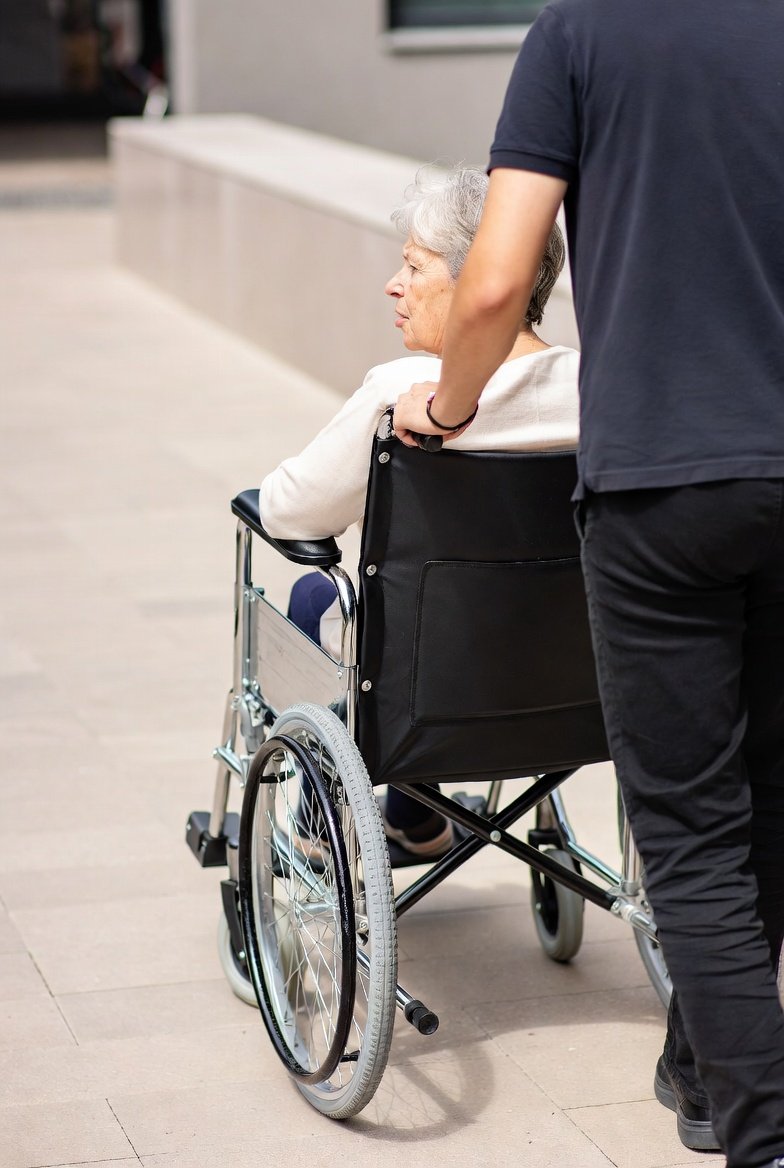
A transport chair is a push-only mobility chair operated by a caregiver, companion, or family member.
Unlike standard wheelchairs, elderly users typically cannot move the chair themselves.
Most transport chairs share several defining features:
- Small rear wheels without hand rims
- Lightweight frames designed for lifting
- Compact folding capability
- Narrow profiles for tighter spaces
- Simplified seating structures
Because the chair is not intended for self-propulsion, the design focuses on portability and caregiver control rather than independence.
For many households, the chair functions as a practical movement tool — helping a senior get from one place to another safely without overexertion.
Why Transport Chairs Are Commonly Suggested for Seniors
Transport chairs solve a very specific mobility challenge: supporting movement during moments when walking becomes tiring, slow, or unsafe.
They are often recommended when:
- Walking endurance has declined
- Standing for long periods is difficult
- Balance feels less predictable
- A companion is always present during outings
- Mobility needs are occasional rather than constant
Many older adults can still walk short distances but struggle with longer hallways, parking lots, or crowded environments. A transport chair acts as a mobility backup in these situations rather than a full-time replacement for walking.
For caregivers, the lighter frame also makes loading and unloading far easier than with heavier mobility equipment.
Who a Transport Chair Is Best For (Elder-Specific)
Seniors Who Consistently Have Assistance
A transport chair tends to work best when help is reliably available.
It is often a strong fit when:
- A caregiver, spouse, or adult child is nearby
- Independent propulsion is not expected
- Transfers are guided and controlled
- Simplicity is preferred over mechanical adjustments
In this setup, independence is intentionally traded for ease of use.
The chair becomes part of a supported routine rather than a device the senior must manage alone.
Older Adults With Limited Walking Endurance
Some seniors remain mobile but fatigue faster than they once did.
A transport chair may suit those who:
- Walk short distances but tire quickly
- Need seated support during longer outings
- Experience fluctuating energy levels
- Want reassurance that a seat is always available
Used this way, the chair often helps prevent overexertion — which can lower the likelihood of falls caused by fatigue.
Appointments, Travel, and Predictable Outings
Transport chairs typically perform best in structured environments.
Common elder-focused scenarios include:
- Medical appointments
- Rehabilitation visits
- Hospitals and clinics
- Airports and terminals
- Social gatherings that involve extended standing
These are situations where mobility is needed for minutes or a few hours, not an entire day.
When viewed through that lens, the chair’s purpose becomes clearer.
Where Transport Chairs Fall Short for Elderly Users
Recognizing limitations early is one of the best ways to avoid equipment regret.
Not Designed for Independent Seniors
If an older adult needs to:
- Move around the home alone
- Travel down hallways independently
- Reposition themselves frequently
- Propel even short distances
…a transport chair will likely feel restrictive.
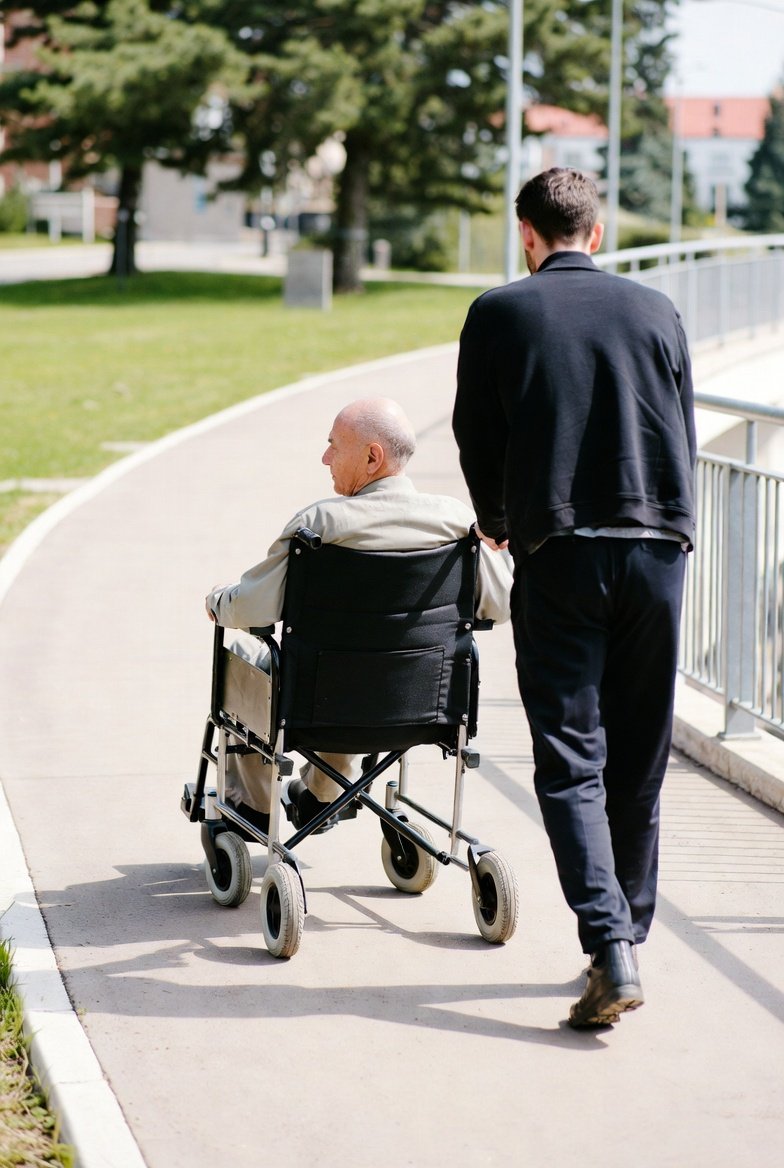
It supports assisted mobility — it does not restore autonomy.
For seniors prioritizing independence, another mobility option is often more appropriate.
Not Intended for Extended Sitting
Transport chairs emphasize portability over advanced seating support.
Over longer periods, users may notice:
- Increased discomfort
- Faster pressure buildup
- Limited postural support
- Greater fatigue
For short outings, these tradeoffs are usually manageable. For half-day or full-day sitting, they become more noticeable.
Matching the chair to realistic sitting durations helps prevent discomfort.
Outdoor Stability Can Be Limited
The smaller wheels that make transport chairs easy to maneuver indoors can reduce stability on rougher terrain.
They may struggle with:
- Uneven sidewalks
- Grass or gravel
- Broken pavement
- Longer outdoor distances
Most perform best on smooth, predictable surfaces such as medical facilities, shopping centers, airports, and residential flooring.
Comfort and Safety Considerations for Seniors
Older adults often have evolving comfort and safety needs, making thoughtful setup important.
Comfort Factors That Matter
Even for shorter outings, details influence the overall experience.
Look for:
- Seat padding that does not compress too quickly
- Back support that encourages upright posture
- Proper seat width to avoid squeezing or sliding
- Footrests that keep legs comfortably supported
Small adjustments can reduce restlessness and help seniors remain comfortable during appointments.
Transfer and Brake Awareness
Transfers deserve careful attention because they are a common moment for instability.
Helpful habits include:
- Engaging brakes fully before sitting or standing
- Positioning footrests safely
- Stabilizing the chair during entry and exit
- Moving slowly rather than rushing
Most incidents occur during hurried transitions rather than because of equipment failure.
A steady pace improves safety significantly.
Caregiver Load and Injury Prevention
One of the most overlooked benefits of transport chairs is the reduction in physical strain placed on caregivers.
Compared with heavier mobility devices, transport chairs are typically:
- Easier to lift into a vehicle
- Faster to fold
- Simpler to maneuver through tight doorways
- Less awkward to reposition
Over weeks and months, this lighter workload can help reduce repetitive strain — an important factor for caregivers assisting regularly.
Convenience, in this context, becomes a form of injury prevention.
Home and Lifestyle Fit Checklist (Elder-Focused)
Before choosing a transport chair, it helps to evaluate how it will actually be used.
Ask a few practical questions:
Is a caregiver consistently available?
The chair depends on assisted movement.
Will usage be short or extended?
Transport chairs perform best during shorter seated periods.
What surfaces are most common?
Smooth indoor flooring tends to suit them better than uneven terrain.
Is storage space limited?
Their folding design often benefits smaller homes and vehicles.
What does the user expect?
Support during outings — or independent mobility?
When expectations align with these answers, transport chairs typically function exactly as intended.
Typical Cost Range
Most transport chairs for elderly users fall between $100 and $400, placing them among the more accessible mobility options.
Price differences often reflect:
- Frame durability
- Folding mechanism quality
- Brake reliability
- Overall structural stability
Higher pricing usually improves longevity and handling rather than dramatically changing seating comfort.
For equipment lifted frequently, sturdier construction can make daily routines smoother.
Common Misunderstandings
❌ “It’s just a senior-friendly wheelchair.”
It is a separate mobility category with a different purpose.
❌ “It works well for independent daily use.”
Transport chairs rely on caregiver assistance.
❌ “Comfort matches a standard wheelchair.”
Comfort is typically sufficient for short outings but may decline over extended sitting.
Viewing a transport chair as an assisted mobility tool — rather than a universal solution — helps households choose with greater clarity.
When a Transport Chair for Elderly Users Makes Sense
A transport chair often fits well when:
- Mobility needs are intermittent
- Caregiver support is dependable
- Travel or appointments occur frequently
- Storage space is limited
- Simplicity is preferred
Outside these conditions, the limitations may become noticeable more quickly.
Where to Go Next
If an elderly user:
- Needs daily independence
- Sits for long durations
- Moves throughout the home alone
- Wants the ability to self-propel
…a lightweight manual wheelchair or another mobility device may offer better long-term flexibility.
For a broader comparison across wheelchair types — including independence, comfort, travel readiness, and everyday usability — refer to the primary decision guide:
You may also find it helpful to review how transport models compare at a general level:
FAQs
What is a transport chair for elderly users used for?
It supports assisted mobility during short outings such as appointments, travel, or events where walking endurance is limited.
Can an elderly person use a transport chair alone?
No. Transport chairs require a caregiver or companion to push.
Is a transport chair safe for elderly users?
Yes, when used with assistance, brakes engaged during transfers, and primarily on smooth surfaces.
How is a transport chair different from a wheelchair?
Transport chairs are lighter, push-only, and designed for assisted mobility, while standard wheelchairs support independent movement and longer sitting periods.